Balkan Dating Etiquette Essentials
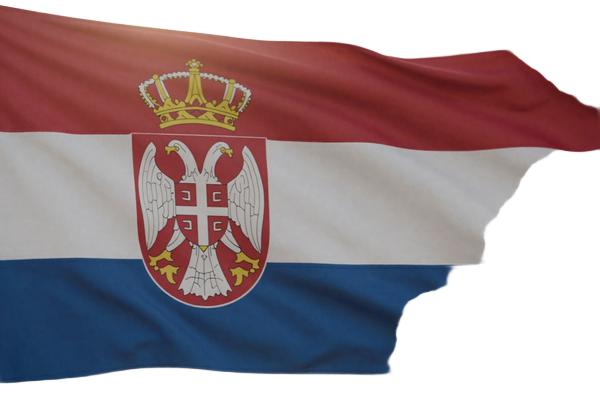
Serbian Chivalry Expectations: In Serbia, traditional courtship customs hold strong with manners not forgotten and chivalry not dead. Men are expected to pay for dates without discussion of splitting bills, open doors, walk partners home to ensure safety, and demonstrate protection through actions. Serbian women meticulously prepare appearances-hair done, nails painted, makeup perfectly applied-expecting men to notice and appreciate the effort. High heels are standard, and basic knowledge of astrology proves useful since star signs matter seriously in compatibility assessments.
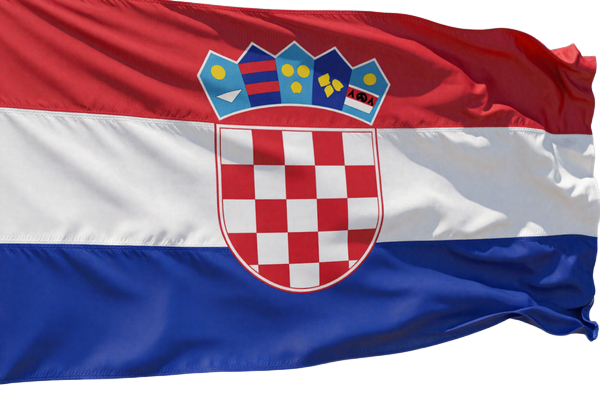
Croatian Directness and Honesty: Croatians value strong opinions and direct communication. They like confrontation and hearing opposing viewpoints-the worst thing you can do is agree with everything they say, which signals lack of character and causes loss of interest. Punctuality is highly valued; arriving late or keeping someone waiting demonstrates disrespect. Show genuine interest in Croatian culture and history, as Croatians have impressive general knowledge from learning multiple foreign languages and world geography. Don't make the classic mistake of knowing nothing about Croatia beyond tourist beaches.
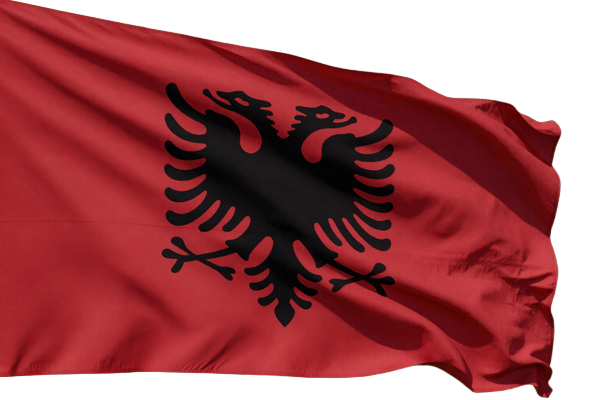
Albanian Family Protocols: Dating someone Albanian means meeting the entire clan. Family approval isn't optional-it's not common for Albanians to date someone their parents don't approve of. Demonstrating respect for the "besa" honor code (keeping promises and maintaining loyalty) is essential. When visiting an Albanian family, embrace hospitality customs: accept offered food, participate in extended meals, and show appreciation for traditional dishes like byrek. First impressions with parents determine relationship viability.
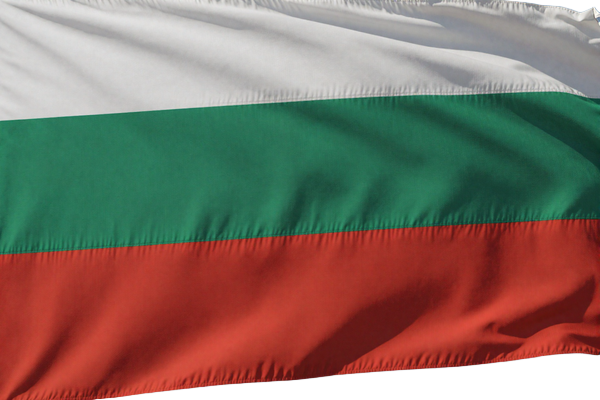
Bulgarian Gift-Giving Customs: Bring odd numbers of flowers (even numbers are for funerals), arrive with small gifts when meeting family, and demonstrate consistency over time. Bulgarians don't let guards down easily, requiring proof over promises. First dates typically involve the man paying, with traditional gender roles where women expect high respect. Don't rush physical intimacy-the dating process moves slower than Western cultures, with Bulgarians taking time to build trust before becoming vulnerable.
Punctuality Cultural Variations: While Croatians demand punctuality, Serbians are more relaxed about timing. "Serbian time" often means arriving 15-30 minutes later than stated. However, first dates warrant punctuality to show respect. Montenegrins and Macedonians tend toward flexibility, while Bulgarians appreciate timeliness. When in doubt, arrive on time but don't be offended if your date runs late-it's cultural, not personal disrespect.
Family Dynamics in Balkan Relationships
Family Approval Statistics: Research across Balkan countries reveals over 90% of respondents declare family is very important in their life, with this intensity remaining constant over time. This isn't merely preference-it's foundational to relationship success. In many Balkan cultures, meeting through friends or family remains common, with arranged marriages still occurring in some communities, though online dating and social media have become increasingly popular allowing individuals to connect outside immediate social circles.
Meeting Extended Family Timelines: Expect to meet parents and extended family within 3-6 months of serious dating. In Albanian culture, family meetings happen earlier-often within 2-3 months-as clans must approve before courtship progresses. Serbian and Croatian timelines are slightly more flexible but family introduction remains a relationship milestone. Bosnian Muslims may involve family in initial stages, with parents present during early meetings to ensure Islamic courtship guidelines are followed.
Multi-Generational Household Norms: Many adults still live with parents, especially unmarried children. In Serbia, you might date someone in their late 20s or early 30s still living at home-this isn't failure to launch but cultural norm. The Balkans have historically maintained extended households with fathers and married sons, which persisted until the 20th century. Today, adult children often remain home until marriage, saving money and contributing to household while maintaining family bonds.
Family Gatherings Frequency: Serbian partners expect regular visits to their families, even when living in different cities. Spending "loads of time" with family is normal-weekend gatherings, holiday celebrations lasting entire days, Sunday family dinners. Croatian family structures are similarly tight-knit, creating a built-in support system that showers partners with affection and guidance. When dating someone Balkan, understand you're not just partnering with an individual but joining a warm, involved clan.
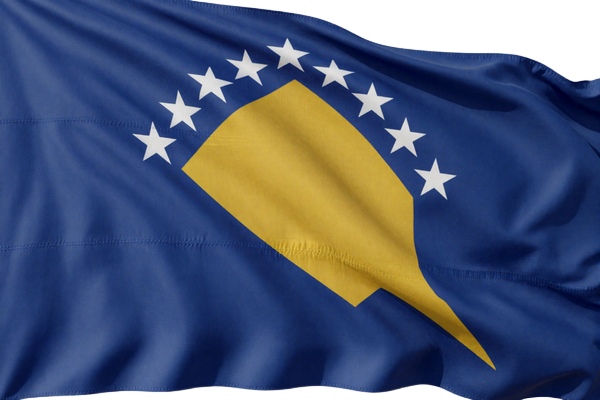
Parental Involvement in Decisions: Parents often have significant say in who their children date. Family expectations have high impact across Balkan cultures. In Albania, arranged marriages are slowly disappearing with younger generations, but parental approval remains crucial. Kosovo's patriarchal culture features extended family units historically ruled by a chosen patriarch, with this structure still influencing modern relationships. Bulgarian families maintain strong involvement, and Macedonian parents expect to meet serious partners early in courtship.
Traditional Balkan Courtship Customs
Gift-Giving Rules by Country: In Serbia, bring flowers when visiting family (odd numbers only-even numbers are funeral flowers). Bulgarians appreciate thoughtful small gifts demonstrating consideration. Albanians traditionally exchange gold jewelry during engagement events-necklaces, rings, bracelets, watches-with modern families also bringing perfume. When families drink coffee together at engagement ceremonies, it symbolizes sealing the agreement between the couple to marry. Romanian dating culture emphasizes chivalry with men offering their coat, opening doors, pulling out chairs.
Coffee Invitation Meanings: In Croatia, "going for coffee" isn't a quick caffeine fix-it's a multi-hour social ritual. Having coffee can last three to four hours, with deep conversation, people-watching, and leisurely connection building. This embodies the "pomalo" (take it easy) philosophy central to Croatian dating. Similarly, Serbian coffee invitations signal genuine interest and time investment. Declining a coffee invitation may be interpreted as rejection, while accepting demonstrates willingness to explore compatibility slowly.
Dress Code Expectations by Gender: Balkan women take pride in polished appearances. Serbian women meticulously prepare with hair done, nails painted, makeup perfectly applied, and high heels standard. Croatian women similarly dress elegantly, viewing appearance as respect for their date. Men are expected to present masculine, put-together looks-Serbian men have a rugged edge and would never wear skinny jeans. Bulgarian and Albanian men demonstrate provider capability partially through well-maintained appearance. Casual American dress (athleisure, baseball caps on dates) reads as disrespectful.
Public Affection Norms by Region: Serbia embraces public displays of affection-couples openly hold hands, hug, and full-on make out in parks, cafes, and bus stops. Once things get serious, expect grand romantic gestures, thoughtful gifts, and plenty of affection. Croatian public affection is moderate-hand-holding and brief kisses acceptable, but extended displays are more reserved. Bulgarian culture is more conservative, preferring discretion. Albanian public affection varies by religious background, with Muslim families expecting more restraint than Orthodox or Catholic families.
Traditional Courtship Processes: Albanian dating features the "kanun" courtship process involving series of rituals and meetings between families before marriage proposal. At engagement events, close family friends visit the bride's home to ask for her hand, bringing jewelry and perfume. Macedonian courtship includes traditional gestures like serenading and gift-giving. Serbian engagement (veridba) is formal ceremony where families agree to future marriage, often involving exchange of rings and celebration with rakija. These traditional processes persist even as modern Western dating influences creep into urban areas.
Religious Considerations in Balkan Dating
Orthodox Christian Dating Customs: Eastern Orthodoxy is the majority religion in Serbia, Montenegro, North Macedonia, and Bulgaria, playing a prominent role in dating culture. Orthodox Christians celebrate Christmas on January 7 (Julian calendar), with Badnjak (Christmas Eve) traditions including bringing oak logs into homes. Serbian families honor their patron saint with Slava celebrations, which serious partners are expected to attend and understand. Fasting periods (before Christmas, Easter, and other holy days) may influence dating activities, with devout families avoiding meat, dairy, or celebratory events during these times.
Catholic Courtship Traditions: Croatian Catholics (majority in Croatia) and Bosnian Catholics observe traditional courtship emphasizing chastity, family involvement, and marriage preparation. Catholic Croatians celebrate Christmas on December 25 with Advent traditions including wreaths and daily prayers. Engagement is sacramental step toward marriage, not casual commitment. Devout Catholic families expect church wedding ceremonies, pre-marriage counseling through the church, and baptism of future children. Dating someone from devout Catholic family means respecting these non-negotiable expectations.
Muslim Relationship Guidelines: Albania, Bosnia-Herzegovina, and Kosovo have significant Muslim populations. Islamic dating guidelines vary by family observance level, but general expectations include: avoiding physical intimacy before marriage, including family/chaperones in early meetings, respecting Ramadan fasting (no eating, drinking, or romantic activities during daylight), and planning around prayer times. Bosnian Muslims may observe five daily prayers, and Albanian Muslims celebrate Bajram (Eid). Serious relationships involve families meeting early to discuss marriage compatibility, with some families still practicing arranged marriages though this is declining among younger generations.
Interfaith Relationship Challenges: Post-conflict Bosnia-Herzegovina presents particular obstacles to inter-ethnic dating where structural segregation and societal norms make mixing difficult. However, couples prepared to date across religious lines are developing practices allowing relationships to function: giving children universal names, celebrating both Christmas and Bajram, having non-traditional weddings combining traditions or shunning them altogether. Mixed partnerships must choose between adopting one side's customs only, combining traditions, or entering no formal union at all. Success requires both families' willingness to compromise and respect for each tradition.
Accommodating Religious Observances: When dating someone who observes religious customs, demonstrate respect by learning about their traditions, participating when invited (attending Slava, breaking Ramadan fast together, joining Christmas Eve celebrations), and not pressuring them to violate religious guidelines. This respect signals long-term compatibility and earns family approval. Many Balkan relationships blend moderate religious observance with modern flexibility, but assuming your partner isn't religious because they don't wear visible symbols is a mistake-many practice privately.
Gender Roles Evolution in Balkan Dating
Traditional Expectations: Traditional Balkan culture features defined gender roles-masculine men and feminine women, simple as that. Men are expected to be primary providers, demonstrate protection, pay for dates, and make first moves. Women are expected to prioritize family, maintain homes, cook traditional meals, and present polished appearances. Serbian women are known for feminine presentation with perfect hair, nails, and makeup, viewing this not as oppression but as taking pride in womanhood. Bulgarian and Romanian cultures similarly maintain traditional gender expectations with men acting chivalrous and women being more passive in courtship initiation.
Modern Flexibility in Urban Areas: Democracy, human rights, and gender equality presented as "new values" are shaking grounds of traditional patriarchal family in the Balkans. In urban centers like Belgrade, Zagreb, Sofia, and Skopje, younger generations embrace more Western approaches. Young couples now split bills or take turns paying, women pursue careers with same ambition as men, and egalitarian partnerships are emerging. However, making deeper connections based on personality compatibility rather than traditional role fulfillment is "still not entirely embedded in Serbian culture," showing the slow pace of change.
Career-Oriented Women Balancing Tradition: Croatian women are sensitive, attentive wives and loving mothers not afraid of housework, but just as ready to work outside the home earning a living on par with husbands. They're very ambitious, hardworking, and intelligent, never ready to sacrifice careers for housekeeping as these self-sufficient ladies are equal life partners. Serbian women demonstrate remarkable flexibility, embracing opportunities for education and careers while valuing family life importance. Many Balkan women believe that no matter how successful in business, true accomplishment includes becoming a mother-blending modern career ambitions with traditional family values.
Egalitarian Relationship Models Emerging: Post-World War II reforms transformed family structures as women entered workplaces vacated by men, redefining gender roles in villages and cities alike. Today, younger Balkan couples are experimenting with shared domestic responsibilities, joint financial decision-making, and mutual career support. However, this remains more common in diaspora communities and Western-influenced urban areas than in rural or conservative regions. The shift is generational-those under 30 show more flexibility, while those over 40 maintain stronger traditional expectations.
Western Influence on Younger Generations: Western-style dating is catching on with people abandoning traditional gender roles, though the pace varies by country and urban/rural divide. North Macedonia still conducts romantic courtship in predominantly conservative manner where Tinder use is frowned upon. Bulgarian dating maintains slower trust-building with traditional gender role expectations. Meanwhile, Belgrade and Zagreb nightlife scenes reflect more Western dating casualness. The tension between traditional Balkan values and Western influences creates diverse dating landscape where individual couples negotiate their own balance rather than following single cultural script.
Communication Styles in Balkan Relationships
Balkan Directness Preference: When dating a Balkan man, expect quite open communication. From expressing feelings and talking about sensitive topics to openly discussing relationship expectations, there are lots of honest conversations. Most Balkan men don't shy away from talking openly with partners about what's working, what's not, and what they need. This directness can be refreshing but requires adjustment for those used to indirect Western communication where people hint rather than state desires explicitly. Bulgarian women have strong minds and aren't afraid to speak their mind and be blunt, which some interpret as rudeness but is actually cultural honesty.
Honesty Over Politeness: Croatians exemplify this principle-they have strong opinions and like confrontation. The worst thing you can do is agree with everything they say, showing lack of character and causing them to lose interest. They value hearing opposing strong opinions and engaging in spirited debate. This doesn't mean they're argumentative-it means they view intellectual engagement and honesty as signs of respect and intelligence. Lying or sugarcoating truth to avoid conflict backfires in Balkan relationships, where partners prefer harsh truth to comfortable deception.
Paragraph Conversations vs One-Liners: During the pandemic, Badoo reported conversations in the Balkans increased by 35%, with data showing conversations are longer-paragraphs rather than one-liners. This suggests resurgence in sustained courtship and long-distance seduction. Balkan dating values depth over brevity, with coffee dates lasting hours and text conversations developing into substantial exchanges. Responding with one-word answers or emojis signals disinterest, while thoughtful paragraphs demonstrate serious intention. This communication style filters for compatibility-casual daters seeking quick hookups self-select out due to required effort investment.
Confrontation as Engagement: For Croatians specifically, confrontation equals engagement. They don't view disagreement as relationship threat but as opportunity for deeper understanding. This cultural trait means heated discussions about politics, family, or life philosophy are bonding experiences rather than warning signs. Partners who can hold their own in debate while respecting opposing viewpoints earn respect. However, this doesn't extend to disrespecting Croatian culture, history, or identity-showing admiration is plus, but do it moderately so you don't come off as sleazy or insincere.
Body Language and Non-Verbal Communication: Many Balkan men use body language more when talking about sensitive topics or feelings, with gestures, facial expressions, and physical proximity conveying meaning beyond words. Eye contact is intense and maintained-breaking eye contact frequently signals dishonesty or disinterest. Physical touch (hand on arm, sitting close) happens earlier in courtship than Anglo-American norms, viewed as natural expression of interest rather than inappropriate forwardness. Understanding these non-verbal cues prevents misinterpreting cultural communication patterns as aggressive or invasive.
"Volim Te" Weight and Timing: In Serbia, "volim te" (I love you) carries serious weight. Unlike Western dating where "I love you" might be said casually after a few dates, Serbian culture treats this declaration with profound respect. Say it too soon, and you'll likely get raised eyebrow instead of reciprocation. This reflects deeper Balkan approach where words match commitments and relationships progress with intentionality. Croatians similarly take declarations seriously, preferring to show love through actions (consistent presence, meeting family, introducing to friends) before verbal pronouncement. When a Balkan partner finally says "I love you," they mean it with full commitment weight.